Tag: browser games

  • Best Browser Brain Games for Short Focused Sessions

    Best Browser Brain Games for Short Focused Sessions

    Why choose browser brain games for short sessions?

    Browser brain games are great when you want a quick mental reset without installing apps or committing to long play. They usually load fast, work across devices, and let you jump into a single puzzle in under a minute. This guide highlights calm, accessible picks that fit 5–20 minute windows and explains what to expect for load times, controls, and accessibility.

    How I picked these games

    Choices here prioritize:

    • Short, satisfying sessions (roughly 5–20 minutes)
    • Simple controls (mouse + keyboard friendly)
    • Calm visual design or optional low-contrast modes
    • Low load time and minimal animation distractions

    Recommended browser brain games

    Below are picks grouped by play style. Each entry includes expected session length, accessibility notes, and a quick calming-tip to get the most from a short break.

    Daily word and letter puzzles

    • Wordle-style daily word puzzles
      Session: 3–10 minutes. Accessibility: usually keyboard-first, minimal animation. Calming tip: treat the daily puzzle as a single focused task — no repeats; accept the daily limit as a gentle boundary.
    • Nerdle-style number-word puzzles
      Session: 5–15 minutes. Accessibility: keyboard entry and clear feedback make them quick to iterate. Calming tip: limit to one puzzle per break to keep sessions short and relaxing.

    Grid-based logic puzzles

    • Nonograms / Griddlers
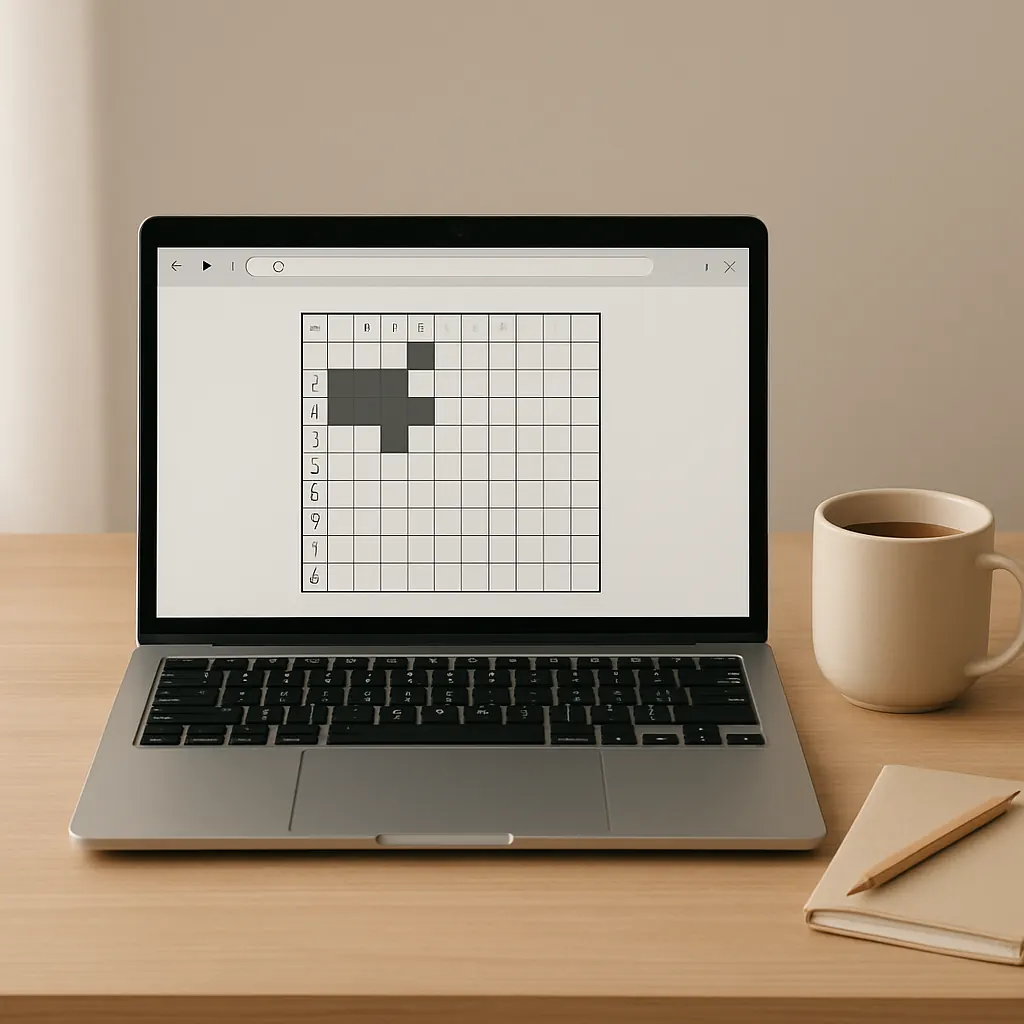
      Session: 8–20 minutes (smaller grids for shorter sessions). Accessibility: many web versions support keyboard navigation and adjustable colors. If you enjoy methodical solving, see the nonogram strategy guide for a step-by-step approach that speeds up play.
    • Web Sudoku
      Session: 5–15 minutes (easy/medium). Accessibility: large-digit modes and keyboard input are common. Calming tip: pick a difficulty you can finish in one break to keep the feeling of completion.

    Number and pattern puzzles

    • 2048 (and light variants)
      Session: 5–15 minutes. Accessibility: arrow-key control; some versions offer high-contrast skins for visibility. Calming tip: play without an on-screen timer and treat incremental progress as the goal.
    • Set and other pattern-matching games
      Session: 3–10 minutes. Accessibility: card sizes and contrast are often adjustable. To improve your scanning and speed, try a few of the techniques in pattern-recognition techniques.

    Calm building and spatial puzzles

    • Little-building mini games (tile-placement)
      Session: 5–20 minutes depending on the scenario. Accessibility: look for versions with simple UI and minimal particle effects. Calming tip: focus on a single small goal, such as placing a fixed number of tiles, rather than open-ended creation.
    • Minimal route/connection puzzles
      Session: 5–12 minutes. Accessibility: these are usually click-or-drag controlled with clear visual feedback and few animations.

    Practical notes: load time and device fit

    • Load times: Choose HTML5/JS games over Unity or heavy Flash-era ports for faster start times. Many lightweight puzzle pages render and let you play within a few seconds on mobile or desktop.
    • Mobile vs desktop: If you prefer keyboard navigation, use desktop. Many browser puzzles are mobile-friendly, but check touch responsiveness first if you plan to play on a phone.
    • Offline and cached play: Some web puzzles offer progressive web app (PWA) behavior or let you play an already-loaded level offline. If you want guaranteed quick access, open the page once and keep it in a small folder of browser tabs for daily use.

    Accessibility and calm design

    Look for these options in a browser puzzle before relying on it for short sessions:

    • Keyboard-only play and clear focus indicators for non-mouse users.
    • High-contrast or colorblind-friendly palettes, often in settings.
    • Adjustable font or grid size for better readability.
    • Minimal animations or an option to reduce motion.

    Choosing puzzles with these features keeps short breaks genuinely restful and inclusive.

    Short-session routines that work

    1. Decide the time: set a visible 5–20 minute timer (use your device’s clock rather than a competitive in-game timer).
    2. Pick one puzzle and commit to finishing it or stopping when the timer rings.
    3. Keep a consistent set of sites/tabs for quick access — this reduces decision fatigue.
    4. After your session, close the tab or switch to a relaxing activity to preserve the feeling of completion.

    Where to go next

    If you want more curated options across platforms and mobile-friendly picks, check my broader calm game list. That roundup links to multi-platform titles and mobile-friendly alternatives ideal for longer or varied sessions.

    Final tips

    Short, focused browser sessions are most effective when you choose quiet interfaces, set a simple time boundary, and pick a single small goal. Whether you prefer word puzzles, nonograms, or quick number games, there are many web-friendly options that respect your time and attention. If you want to improve speed and recognition across many of these puzzles, see pattern-recognition techniques for exercises that transfer well from one game to another.

    Happy short solves — keep it calm, keep it focused, and enjoy the little wins.
  • Top 10 Calm Logic and Word Games (Browser & Mobile) for Focused Play

    Top 10 Calm Logic and Word Games (Browser & Mobile) for Focused Play

    Why choose calm puzzle games?

    If you like slow, focused thinking rather than frantic scoring or competitive pressure, a small collection of calm logic and word games can become a reliable way to clear your head and practice problem patterns. Below are ten picks that work well on phones or in a browser, each chosen for gentle design, clear rules, and satisfying feedback. If you prefer strictly browser-based short bursts, see best browser brain games for short sessions for more options.

    1. Sudoku (classic)

      What makes it relaxing: Clean rules, no surprise mechanics, and plenty of logical deduction rather than trial-and-error. Good visual contrast and simple grids keep the game low-friction.

      Typical session: 5–30 minutes depending on grid size and difficulty.

      Best for: Players who enjoy pure logic and steady mental rhythm. Many sites and apps offer accessible interfaces and adjustable hints.

    2. Flow Free

      What makes it relaxing: Connect-the-dot style puzzles with bright, calm colors and smooth animations. The satisfaction of linking endpoints without crossing lines is quietly satisfying.

      Typical session: 3–15 minutes per puzzle.

      Best for: People who like visual pattern-building and short, focused levels you can finish in a coffee break.

    3. Mini Metro

      What makes it relaxing: Minimalist transit planning with soft visuals and a soothing soundtrack. The game encourages small decisions that compound into tidy system design.

      Typical session: 10–30 minutes.

      Best for: Players who enjoy spatial planning, emergent systems, and low-pressure experimentation.

    4. Monument Valley

      What makes it relaxing: Calming art direction and gentle, spatial puzzles based on optical illusions. Levels feel like little meditations rather than timed challenges.

      Typical session: 10–30 minutes per chapter.

      Best for: Players who appreciate thoughtful presentation, quiet narrative, and tactile puzzle interactions.

    5. I Love Hue

      What makes it relaxing: A color-sorting puzzle that asks you to arrange tiles into smooth gradients. It’s visually soft with no timers and forgiving undo options.

      Typical session: 5–20 minutes per puzzle.

      Best for: Those who like visual puzzles and a calm, sensory experience rather than strict logical constraints.

    6. Prune

      What makes it relaxing: A meditative puzzle about growing and pruning a tree to reach light. The interface is minimalist, the sound design is subtle, and gameplay encourages patient exploration.

      Typical session: 5–20 minutes.

      Best for: Players who enjoy metaphor-driven puzzles and quiet, contemplative gameplay.

    7. Klocki

      What makes it relaxing: A minimal puzzle collection that evolves slowly, asking you to rotate and connect shapes. The restrained presentation keeps the player focused on one clear idea at a time.

      Typical session: 5–15 minutes.

      Best for: Fans of elegant, low-noise puzzle design who want progressive challenge without flashy effects.

    8. Mekorama

      What makes it relaxing: Charming diorama-style puzzles where you guide a small robot through handcrafted levels. Puzzles feel tactile and approachable, with a satisfying click-and-solve rhythm.

      Typical session: 3–15 minutes per level.

      Best for: Players who enjoy spatial reasoning with a friendly, non-threatening presentation.

    9. TypeShift (word logic)

      What makes it relaxing: A word puzzle that blends anagram and crossword thinking without aggressive scoring. Each puzzle is a neat logic box to solve at your own pace—great if you liked Wordle but want calmer, more deliberate wordplay. If you’ve been enjoying Wordle, check word-game alternatives to Wordle for more gentle word options.

      Typical session: 5–20 minutes.

      Best for: Players who enjoy wordcraft and deduction without daily pressure.

    10. Logic puzzle collections (e.g., puzzle apps or compilations)

      What makes it relaxing: Collections that include Kakuro, Nonograms, Nurikabe, and other classic logic puzzles let you pick the exact type of focus you want. Interfaces that offer adjustable hinting and accessible modes make these ideal low-pressure choices.

      Typical session: 5–45 minutes, depending on puzzle complexity.

      Best for: Players who want variety and control over difficulty and can spend longer stretches on a single satisfying puzzle.

    Choosing what to try first

    Start with the format you already enjoy. If you prefer typing and wordplay, try TypeShift or a calm word alternative from the linked roundup. If visual, try I Love Hue or Flow Free. If you want a longer, slow-build experience, Mini Metro or some logic-puzzle collections are good choices. For help deciding between apps, books, or browser options, see how to choose puzzle apps and books.

    Accessibility and low-pressure options

    Look for features like adjustable difficulty, unlimited undos, high-contrast modes, and no-timer options to keep play low-pressure. For curated picks that emphasize accessibility and calm design, see accessible puzzle recommendations.

    Final tips

    • Keep sessions short and consistent—5–20 minutes is often enough for focused practice.
    • Turn off notifications and avoid leaderboards if you want a meditative session.
    • Experiment with one new game at a time and notice which mechanics help you enter a calm problem-solving mindset.

    These ten options are a starting point—mix visual, spatial, and word puzzles to build a habit that stays enjoyable. If you want more recommendations tailored to browser play or specific session lengths, follow the browser-focused collection linked at the top.